
Mary Petrone
Master Locksmith · DCJS #11-18788
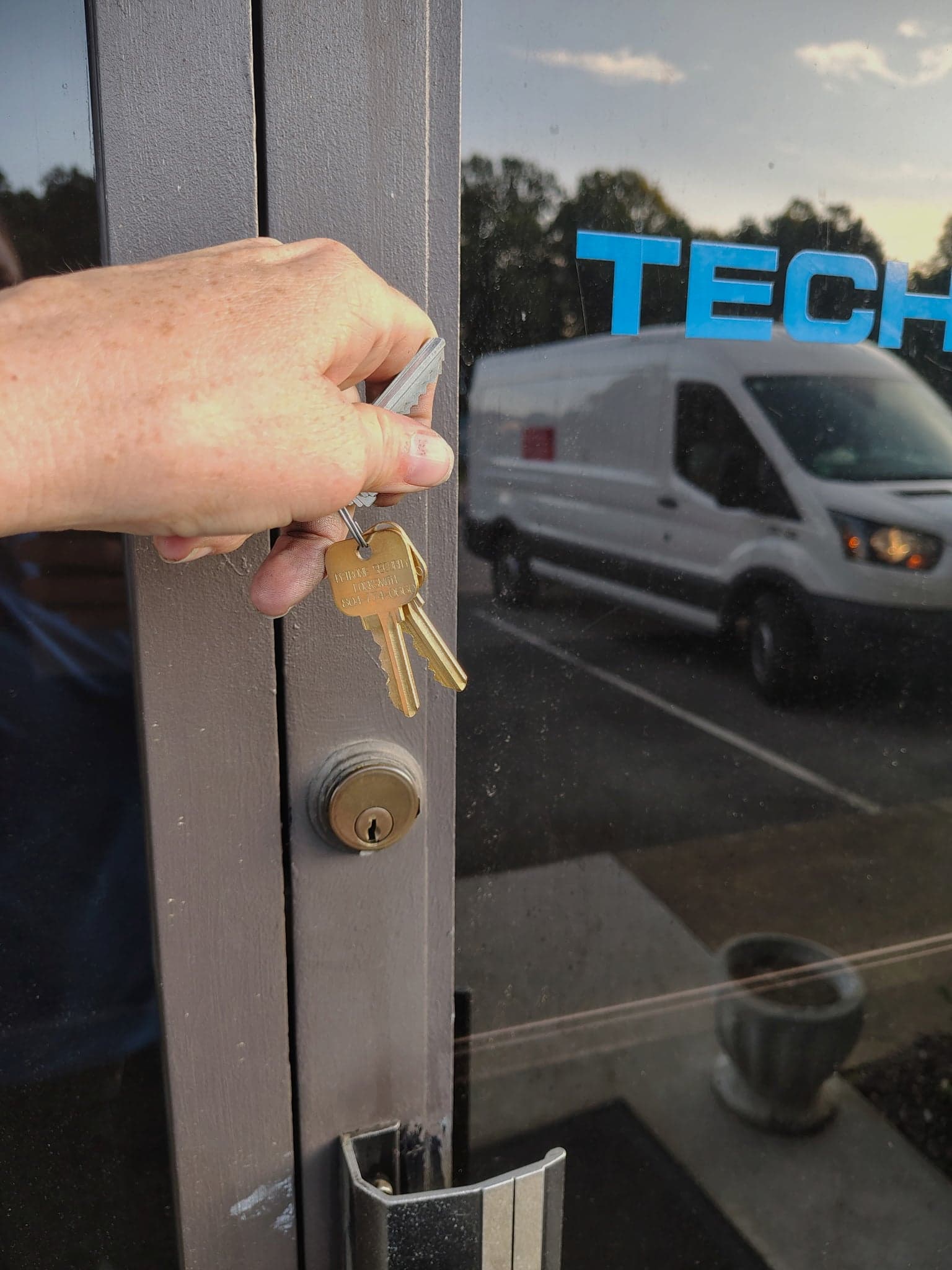
A property manager in Shockoe Bottom recently handed me a zippered bag containing 47 keys. She managed three commercial buildings and spent nearly six hours each month tracking who had access to which doors. When a tenant moved out, she had no reliable way to know if all keys were returned. Her frustration is not unique.
Across Richmond, from Scott's Addition to the Fan District, business owners are rethinking how they control access to their properties. The old system of cutting duplicate keys and tracking them with spreadsheets creates security gaps, wasted time, and expensive lockouts. Master key systems solve these problems by creating a hierarchy of access that puts property owners back in control.
The shift happening right now in 2026 is not just about convenience. It is about reducing liability, eliminating the need to rekey entire buildings when employees leave, and creating audit trails that actually work.
Key Takeaways:
- Master key systems let you control who accesses which doors without carrying dozens of keys
- Richmond businesses save 10-20 hours monthly by eliminating key tracking and lockout calls
- Rekeying costs drop by 70% when you can change individual locks without replacing the entire system
- Security hardware becomes enforceable, reducing liability when employees or tenants leave
- Modern master key systems integrate with smart locks and electronic access for hybrid security
The Real Cost of Traditional Key Management for Richmond Properties
Most business owners do not calculate how much time and money they lose to key management. A restaurant owner in Carytown told me he paid locksmiths nearly $2,800 last year just for lockouts and emergency rekeys. Every time a manager quit, he faced a choice: rekey every door they had access to or hope they returned all copies.
The expenses add up faster than most realize. Each time you cut a duplicate key, you create a security question mark. Who has that key now? Did they make copies? When they leave your employment, will they return it? Traditional key systems offer no answers.
Property managers face even bigger headaches. Managing multi-tenant commercial buildings means tracking access for maintenance staff, cleaning crews, individual tenants, and emergency services. One missing key can force you to rekey an entire floor. The labor alone for that job runs $800 to $1,500 depending on how many cylinders need changing.
There is also the hidden cost of employee time. Office managers spend hours each month signing out keys, tracking who has what, and chasing down unreturned copies. That is time pulled away from revenue-generating work. Master key systems eliminate this entire category of administrative burden by creating clear access hierarchies that require no tracking spreadsheets.
How Master Key Systems Actually Work
A master key system uses special pin configurations inside lock cylinders that allow multiple keys to operate the same lock. Your maintenance supervisor carries a master key that opens every door in the building. Individual tenants or department heads carry sub-master keys that only open doors in their area. Employees get change keys that open only their specific office or workspace.
The beauty of this hierarchy is control. You decide exactly who can access what. A retail business in Scott's Addition uses this setup to give opening managers access to the front door, stockroom, and office, while regular staff can only access the sales floor and break room. The owner holds a grand master key that opens everything.
The system works through precise pin stack configurations. Each lock cylinder contains pins cut to different heights. When you insert a key, the pins align to allow the cylinder to turn. In a master key system, cylinders have additional pin segments that allow both the master key and the individual change key to operate the lock.
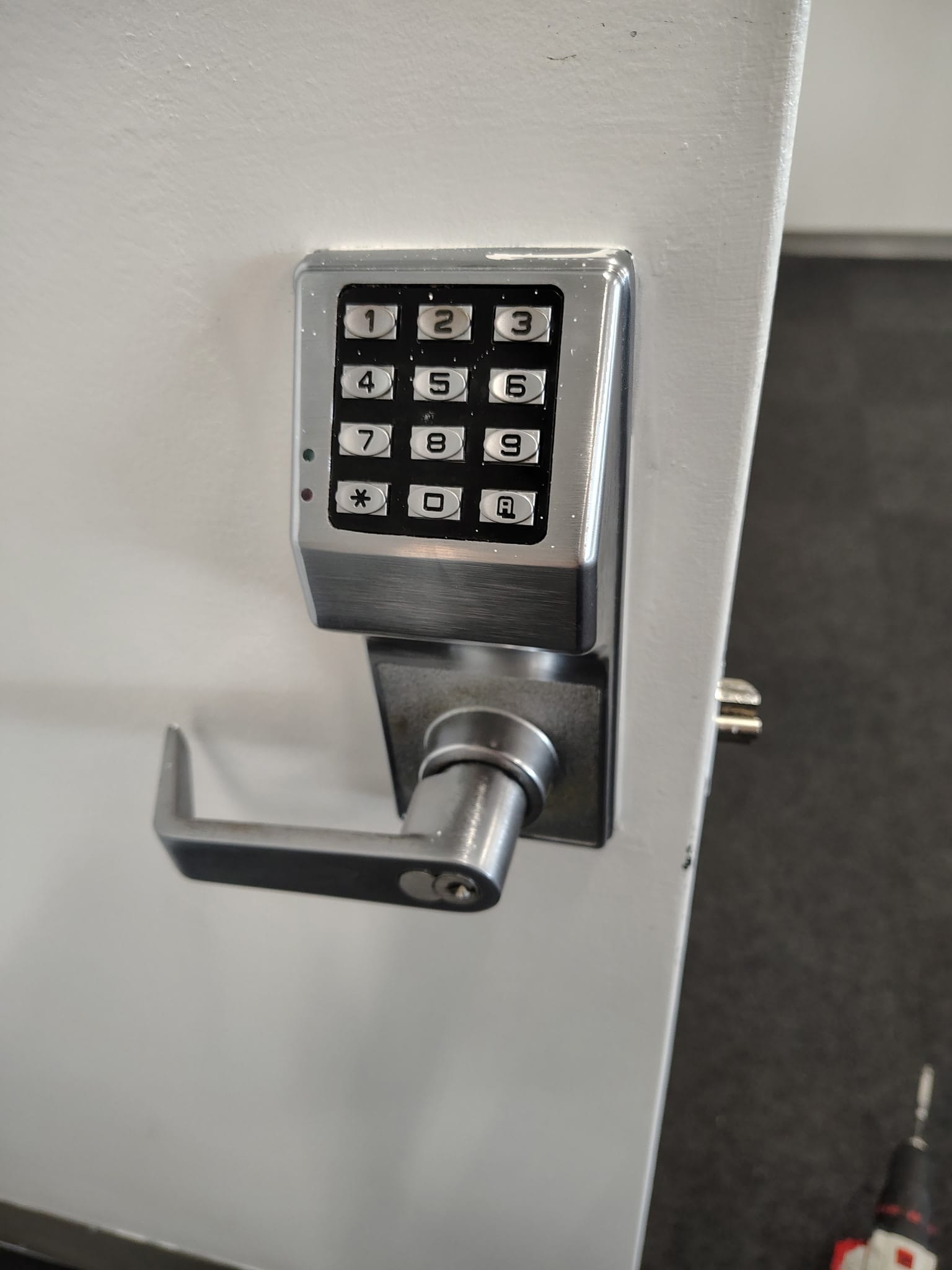
This is not new technology, but the way Richmond businesses are deploying it in 2026 has evolved. Modern master key systems can integrate with smart locks and electronic security hardware. You can have traditional mechanical master keys for your core infrastructure and layer in keypad entry or smartphone access for specific doors. This hybrid approach gives you backup access methods if technology fails.
"We switched our Shockoe Slip office building to a master key system last fall. The first month alone saved us probably 12 hours of key tracking and two emergency lockout calls. Best security decision we made."
Why Richmond Businesses Are Making the Switch Before Q2
The timing of this shift is not random. Many Richmond businesses operate on fiscal years that align with the calendar, making Q1 the perfect window for infrastructure upgrades. Security budgets refresh, and property managers want systems in place before summer when tenant turnover peaks.
There is also a growing awareness of liability. Virginia employment law requires businesses to protect sensitive information and physical assets. When former employees retain access to your building, you create potential liability if theft or data breaches occur. Master key systems let you remove access instantly by rekeying a single cylinder rather than every lock the employee could reach.
Insurance companies are paying attention too. Several Richmond business owners have reported that their commercial property insurers now ask specific questions about security hardware during renewals. Buildings with documented access management systems sometimes qualify for lower premiums because they demonstrate reduced risk.
The rise of hybrid workspaces is another driver. Offices that used to have fixed employee assignments now have hoteling desks and shared spaces. You cannot give everyone a key to everything, but you need flexible security hardware. Master key systems paired with smart locks create that flexibility without sacrificing security.
Ready to stop wasting time tracking keys and paying for emergency rekeys? We will assess your property and design a master key system that actually fits how your business operates.
Schedule Your Security Assessment
Designing a Master Key System That Matches Your Business
The biggest mistake businesses make is copying someone else's system without thinking through their own access needs. A law firm has different requirements than a restaurant. A multi-tenant office building needs different hierarchy levels than a retail shop with a back office.
Start by mapping who needs access to what. List every door in your property and identify which employees, contractors, or tenants need to pass through it. Look for patterns. Do all your department heads need the same level of access? Can you group certain doors together?
Next, think about future changes. Will you add more offices? Do you plan to subdivide spaces for new tenants? A well-designed master key system anticipates growth. You want enough levels in your hierarchy to accommodate expansion without having to rebuild the entire system in two years.
Security zones matter too. Your server room, cash office, or areas with sensitive client files should not be on the same access level as break rooms and conference spaces. Create restricted zones that require specific authorization. This is where thorough security assessments pay off by identifying vulnerabilities you might overlook.
Documentation is critical but often ignored. Every master key system needs a clear record of which key opens which door and who holds each key. When employees leave or keys go missing, you need to know immediately which locks are compromised. Keep this documentation secure and update it every time you issue or retrieve a key.
Common Mistakes That Undermine Master Key Systems
The most frequent error is over-distribution of master keys. Business owners hand out master keys to too many people for convenience, which destroys the security advantage. If seven people have master access, you have seven potential points of compromise. Limit master key distribution to absolute necessity.
Another problem is failing to plan for key control. Without strict policies about duplication, employees will copy keys at hardware stores. Use restricted keyways that require authorization to duplicate. This adds a layer of protection but only works if you enforce it. Make it clear in employment agreements that unauthorized key duplication is grounds for termination.
Neglecting lock maintenance creates failures that undermine your system. Locks that stick or bind encourage people to force them or leave doors propped open. Regular lock maintenance keeps everything functioning smoothly. Lubricate cylinders annually and address any sticking or misalignment immediately.
Some businesses try to retrofit existing locks without professional guidance. Master key systems require precise pin configurations. A single mistake in pinning can create unintended access or system failures. This is not a DIY project. Work with a locksmith who understands commercial security hardware and has experience with properties similar to yours.

Integrating Master Keys with Modern Security Hardware
The future of commercial security in Richmond is hybrid. Pure mechanical master key systems remain reliable, but adding electronic components creates flexibility that traditional locks cannot match. Smart locks let you grant temporary access, track entry and exit times, and change access codes remotely without physically collecting keys.
Start with critical access points. Your main entrance, server room, and after-hours entry doors are good candidates for smart locks. Keep mechanical master key systems for interior doors and areas where power failures would create problems. This layered approach gives you the reliability of traditional locks with the flexibility of modern security hardware.
Mobile credentials are becoming standard in Richmond office buildings. Employees use their smartphones to access doors instead of carrying keys. You can still maintain mechanical master keys for emergency access and backup, but daily operations run through digital credentials that you can activate or revoke instantly.
Audit trails are the biggest advantage of electronic integration. You can see exactly who accessed which door and when. If something goes missing from a storage room, you know who was there. This level of accountability is impossible with purely mechanical systems and can be valuable for both security and operational insights.
Frequently Asked Questions
How much does a master key system cost for a typical Richmond office building?
Costs vary based on the number of doors and complexity of your access hierarchy, but most small to medium commercial properties invest between $1,200 and $4,500 for a complete master key system installation. This includes rekeying existing compatible locks, replacing incompatible hardware, and setting up your key hierarchy. Buildings with 15-30 doors typically fall in the $2,000 to $3,000 range. The investment pays back quickly when you factor in eliminated lockout calls and reduced rekeying expenses.
Can I add new locks to an existing master key system?
Yes, as long as your system was designed with expansion in mind. A properly planned master key system includes unused pin configurations that allow you to add locks later. You will need your locksmith to pin the new cylinders to match your existing hierarchy. This is why documentation matters. Without accurate records of your system's configuration, adding locks becomes difficult and may require rebuilding portions of your system.
What happens if someone loses a master key?
You need to rekey every lock that master key could open. This is the main security risk of master key systems and why limiting master key distribution is critical. The good news is you only rekey locks within that master key's scope. If a department sub-master is lost, you only rekey that department's locks, not the entire building. The cost and disruption depend on how many locks are affected, but it is always less than the chaos of having an unknown person with unrestricted access to your property.
How do master key systems work with fire code requirements?
Fire codes require certain doors to remain accessible for emergency egress. Master key systems can absolutely comply with these requirements. Exit doors use special hardware that allows free egress from inside while controlling access from outside. Your locksmith should be familiar with Virginia fire codes and will design your system to maintain compliance. Never compromise life safety for security convenience.
Should I switch to a fully electronic system instead of a master key system?
Not necessarily. Electronic security hardware offers advantages like remote management and audit trails, but it also creates dependencies on power, network connectivity, and technology that can fail. Many Richmond businesses use hybrid systems that combine reliable mechanical master keys with electronic access at key points. This gives you backup access methods and avoids being locked out by technology failures. Ask your locksmith about hybrid approaches that match your specific risk tolerance and budget.
Getting Started with Your Master Key System
The first step is a thorough security assessment of your property. Walk through your building with someone who understands commercial security hardware. Identify every door, discuss who needs access to what, and look for security vulnerabilities that your current setup creates.
Document your access requirements before talking to locksmiths. Having clear information about your needs helps you get accurate quotes and ensures the system design matches your actual operations. Include plans for future growth or changes so your system has room to evolve.
Choose a locksmith with commercial master key system experience. This is not the same skill set as residential rekeying or automotive lockouts. You need someone who understands hierarchy design, restricted keyways, and integration with electronic security hardware. Ask for references from other Richmond businesses and verify their commercial credentials.
Plan the transition carefully. Installing a master key system may require temporary access disruptions. Schedule the work during off-hours or slow periods. Communicate clearly with employees and tenants about what to expect and when their access methods will change.
Once your system is operational, establish strict key control policies. Document who has which keys, require sign-out procedures for any temporary access, and make it clear that unauthorized duplication is not acceptable. The best-designed master key system fails if you do not maintain discipline around key management.
Stop juggling dozens of keys and worrying about who has access to your Richmond property. We will design a master key system that gives you control, saves you time, and strengthens your security.
Get Your Free Security Hardware Assessment