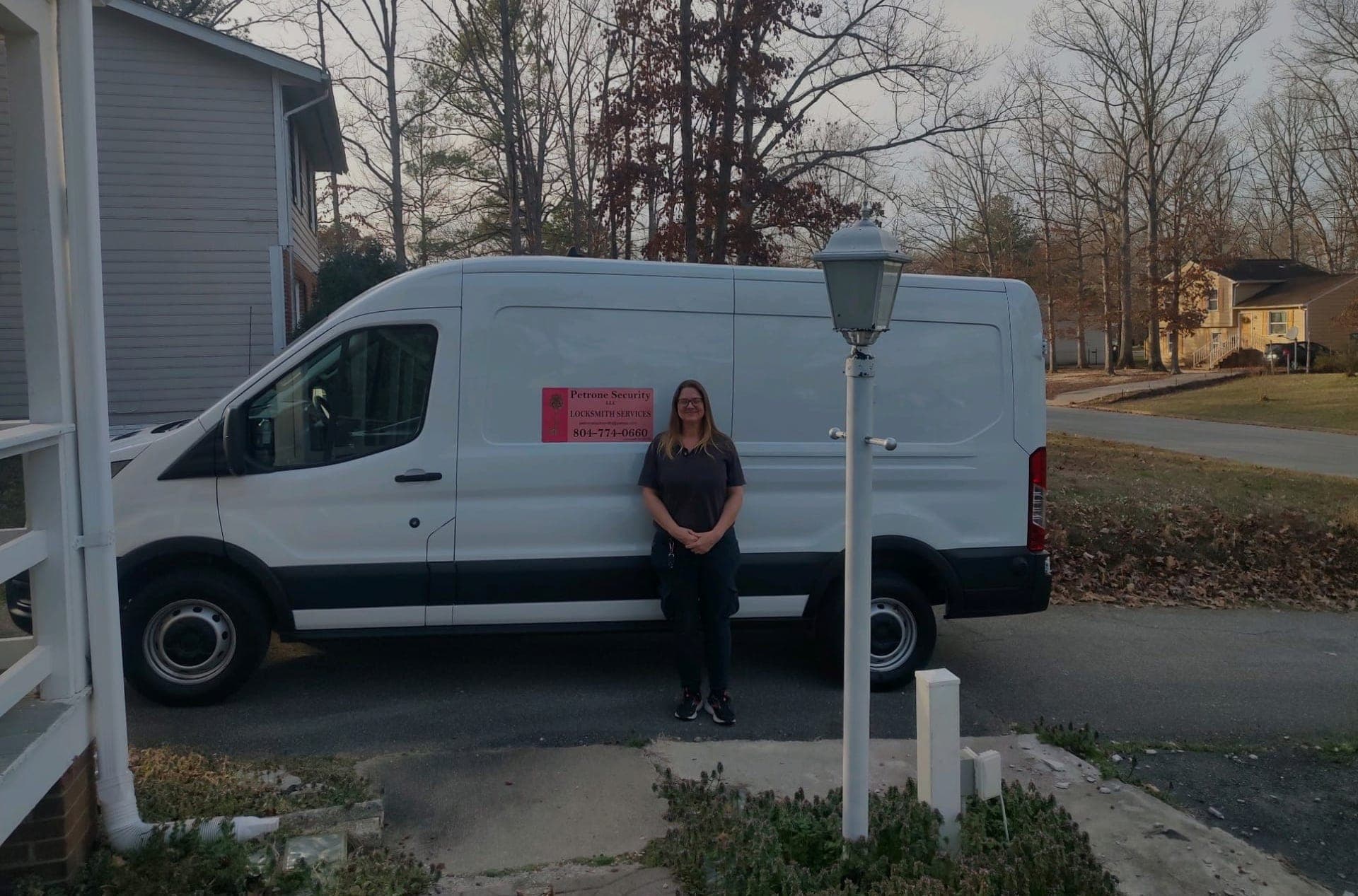

Mary Petrone
Master Locksmith · DCJS #11-18788
March and April bring more than just blooming azaleas to Virginia. Heavy thunderstorms, high winds, and rapid temperature swings create conditions that test every entry point on your property. After seeing dozens of storm-related lockouts and security failures across Richmond and Arlington neighborhoods, I've learned that most home security problems become obvious only after the weather turns severe.
A security assessment before storm season identifies vulnerabilities you might not notice during calm months. Warped door frames from humidity changes, corroded lock mechanisms from winter moisture, and weakened strike plates all wait for the worst possible moment to fail.
Key Takeaways:
- Spring storms expose hidden weaknesses in locks, doors, and entry points through moisture damage and high winds
- Temperature swings between 30°F and 70°F cause door frames to expand and contract, affecting lock alignment
- A pre-season security assessment identifies corrosion, worn strike plates, and vulnerable access points before emergencies happen
- Smart home integration should include battery backup systems for power outages common in Virginia spring weather
How Virginia Weather Patterns Affect Your Lock Hardware
The mid-Atlantic climate creates unique challenges for residential security hardware. When temperatures swing from freezing nights to 65-degree afternoons, wood doors expand and contract. This movement changes how your deadbolt aligns with the strike plate.
I've responded to dozens of calls in McLean and Falls Church where homeowners found themselves locked out not because their key broke, but because seasonal swelling made their door sit differently in the frame. The deadbolt that worked fine in February suddenly catches on the strike plate in April.
Moisture is the other major factor. Spring humidity combined with rain that blows sideways under covered porches causes metal components to corrode faster than most people realize. Brass and steel lock cylinders both show oxidation patterns that reduce smooth operation. Regular lock maintenance catches these issues before you're standing in the rain trying to force a sticky deadbolt.
The Pre-Storm Security Checklist for Virginia Homeowners
Start your assessment at each exterior door, beginning with the main entry. Check whether your deadbolt extends fully into the strike plate without resistance. If you feel any grinding or if the bolt doesn't slide smoothly, that's a warning sign.
Look closely at the strike plate itself. Many builder-grade installations use short screws that barely grip the door frame. In Old Town Alexandria and historic Fredericksburg properties, I've found strike plates held by screws less than an inch long. A determined intruder or even a strong wind gust can pop these loose.
Test every door by applying moderate pressure while it's locked. The door shouldn't flex more than a quarter inch. Excessive movement means the lock isn't properly supporting the door's weight, which worsens during storms when wind pressure increases.
Don't skip sliding doors and basement access points. These are common weak spots that homeowners overlook until a storm knocks out power and they need alternate entry routes. A quick rekeying of all locks to a single key system makes emergency access much simpler when you're dealing with weather chaos.
Smart Home Systems and Storm-Related Power Loss
The rise of smart locks and security hardware systems creates new considerations for storm preparedness. Electronic deadbolts and keypad entry systems work beautifully until the power goes out and backup batteries die.
I recommend hybrid systems that combine electronic convenience with mechanical backup. During a power outage last spring that affected parts of Reston for three days, several clients learned their fully electronic systems became security liabilities rather than assets.
Any smart home security setup needs battery backup rated for at least 72 hours. Virginia storms can knock out power for extended periods, especially in areas with overhead lines. Your security hardware system should maintain full functionality through the typical outage window.
Test your backup systems now, before you need them. Remove the main power source and verify that battery backup actually works. Check the battery manufacture date too. Batteries older than two years often fail to hold a charge during real emergencies.
Addressing Moisture Damage Before It Becomes a Security Risk
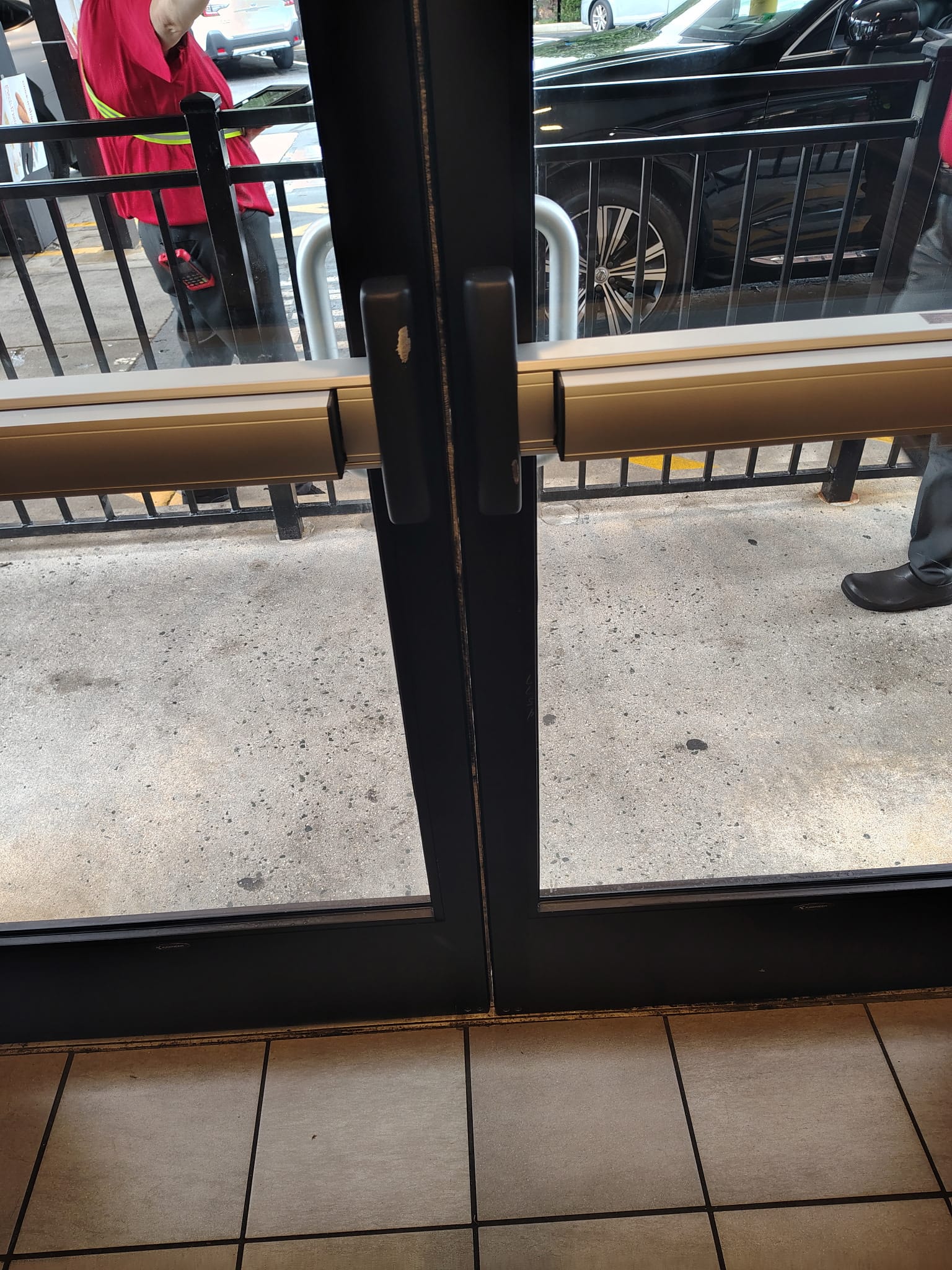
Water intrusion around door frames creates problems that go beyond simple rust. When moisture penetrates the wood around your lock assembly, it causes swelling that changes how the entire mechanism seats in the door.
Walk around your home during or immediately after a rainstorm. Note anywhere water pools near doorways or runs down the door itself. These wet spots indicate poor drainage or damaged weatherstripping that allows moisture to reach your lock hardware.
Many homes in the Shenandoah Valley and western Virginia face additional challenges from elevation changes and runoff patterns. Water that flows toward your foundation during storms can back up against basement doors and ground-level entries. Installing proper drainage before storm season prevents both security and structural issues.
If you spot active corrosion on any lock component, address it immediately. Surface rust on a deadbolt might seem minor, but it indicates moisture has penetrated the protective finish. That same moisture affects the internal pins and springs that make your lock work reliably.
Creating Your Household Emergency Access Plan
The best security assessment includes planning for scenarios where normal access methods fail. Storm damage, power loss, and environmental factors can all prevent you from entering through your primary door.
Identify at least two separate entry points that use different lock types. If your front door deadbolt fails, you should have a back or side entrance that operates independently. This redundancy matters when you're dealing with storm damage or lost keys during an emergency.
Consider where you store spare keys. Hiding a key under a doormat or planter creates obvious security vulnerabilities, but having no backup access creates different problems. A properly installed lockbox in a discreet location provides emergency access without compromising daily security.
Share your access plan with trusted family members or neighbors. During severe weather when you might be away from home, having someone who can check on your property and secure any storm-damaged doors prevents small problems from becoming major security breaches.
Professional Assessment vs. DIY Security Checks
Homeowners can handle basic inspection tasks like testing door movement and checking for obvious corrosion. But some vulnerabilities require professional evaluation to identify properly.
Internal lock wear doesn't always show external symptoms until complete failure occurs. The pins inside your cylinder gradually wear down, creating loose tolerances that make lock bumping and picking easier. A security assessment includes checking these internal components before they compromise your home's protection.
Professional locksmiths also evaluate your overall security hardware strategy, not just individual lock condition. We look at how your various entry points work together, where security gaps exist between doors and windows, and whether your current hardware matches your actual security needs.
The timing matters too. Scheduling an assessment in February or early March means any necessary repairs or upgrades happen before storm season peaks in April and May. Waiting until after damage occurs turns preventive maintenance into emergency service, which costs more and leaves your home vulnerable longer.
Virginia's spring weather creates predictable challenges for home security hardware. A thorough security assessment before storm season identifies problems while they're still easy to fix. The investment in professional evaluation and preventive lock maintenance costs far less than dealing with lockouts, security breaches, or damage during severe weather.