
Mary Petrone
Master Locksmith · DCJS #11-18788
Your front door lock handles more stress than almost any other component in your home. Between the freeze-thaw cycles we get here in Virginia and the daily wear from family members rushing in and out, that deadbolt you installed five years ago might be closer to failure than you realize.
Most people assume locks only need attention when they stop working completely. That assumption leads to emergency lockouts, security vulnerabilities, and expensive after-hours service calls. A better approach starts with understanding how locks actually age.
Key Takeaways:
- Locks typically show warning signs 6-12 months before complete failure
- Virginia's humidity and temperature swings accelerate metal fatigue and corrosion
- A basic security assessment can identify vulnerable locks before they fail
- Rekeying costs less than emergency lockout services and prevents most failures
- Smart locks require different maintenance than traditional deadbolts
The Three Stages of Lock Degradation
Locks don't fail overnight. They move through predictable stages that you can catch with regular attention.
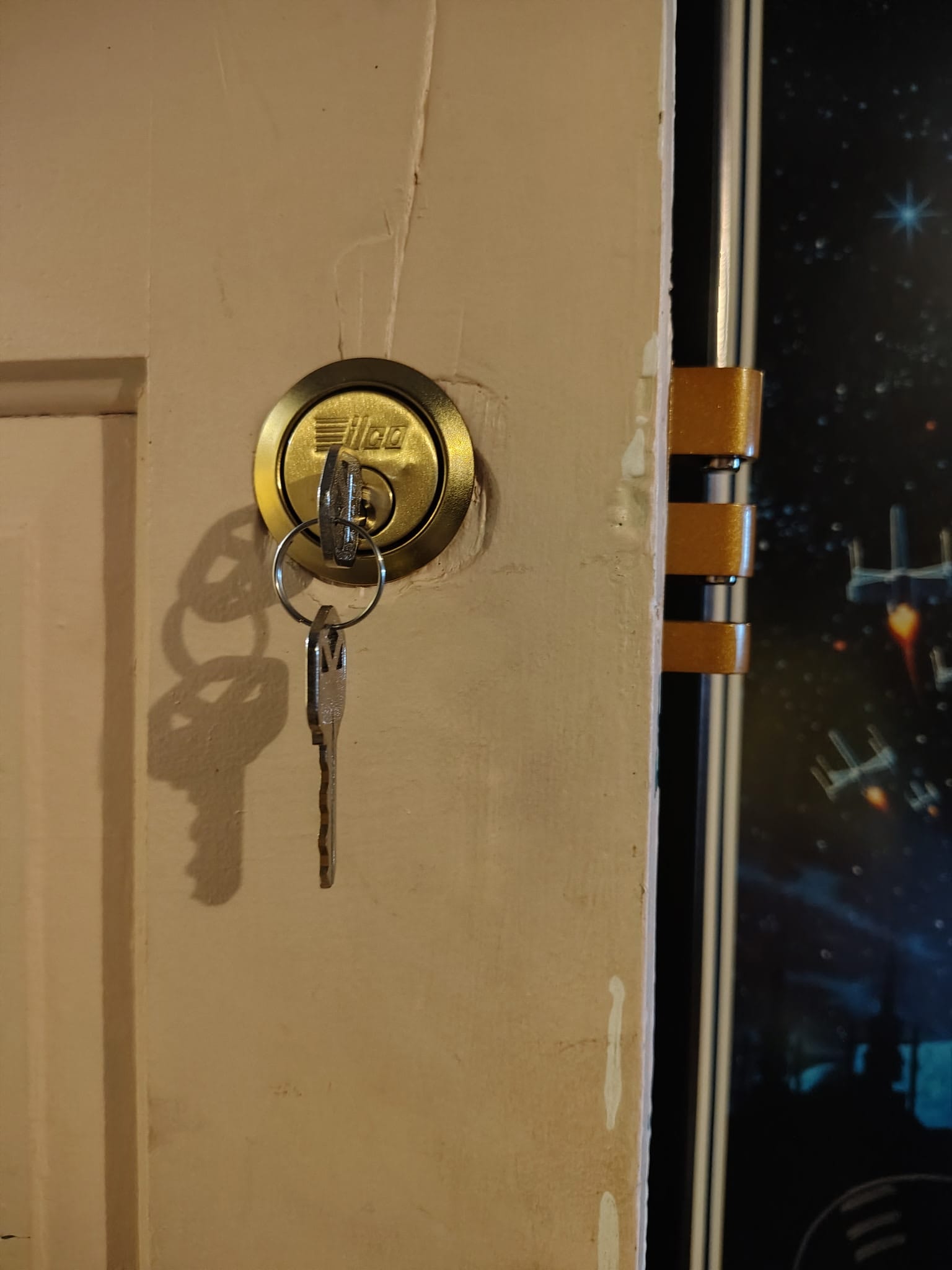
Stage one shows up as minor resistance when turning your key. You might need to jiggle the key slightly or apply a bit more pressure than usual. This happens when internal pins start to wear down or when moisture creates microscopic corrosion inside the cylinder. In the Richmond area, we see this accelerate during spring and fall when temperature fluctuations cause condensation inside lock mechanisms.
Stage two becomes obvious when you need to force the key or deadbolt. The key might stick halfway, or the bolt doesn't extend smoothly into the strike plate. At this point, internal springs are weakening and metal components are grinding against each other. If you're experiencing this in neighborhoods like Church Hill or the Fan District, where older homes have settling foundations, misalignment between the door and frame compounds the problem.
Stage three is complete failure. The lock won't turn, the key breaks off inside the cylinder, or the entire mechanism seizes. By this point, you're calling for emergency service instead of scheduling routine lock maintenance.
How Virginia Weather Attacks Your Locks
Our climate presents specific challenges that accelerate lock wear. The combination of humid summers and freezing winters creates an environment where metal components expand, contract, and corrode faster than in more stable climates.
During summer months, humidity can reach 80-90% in areas near the James River or out in Chesterfield. This moisture penetrates lock cylinders and causes oxidation on brass pins and steel springs. Winter brings the opposite problem. When temperatures drop below freezing, any moisture trapped inside the lock can freeze and expand, cracking internal components or jamming the mechanism entirely.
Coastal areas in Virginia Beach and Norfolk face additional salt air exposure, which accelerates corrosion on external lock components. Properties within a few miles of the Chesapeake Bay need more frequent lock inspections than inland locations.
Warning Signs That Demand Immediate Attention
Certain symptoms indicate your lock has moved past routine wear and into the danger zone. Recognizing these signs prevents lockouts and security gaps.
If your key requires increasing force to turn, that's your lock telling you that internal pins are binding or springs are weakening. Don't ignore this. What feels like a minor inconvenience today becomes a snapped key tomorrow.
Loose door handles or wobbly deadbolts signal that mounting screws have worked themselves free or that the interior mechanism has separated from the exterior components. This creates an security hardware vulnerability where someone could potentially manipulate the lock from outside. We see this frequently in Henrico County homes where settling has shifted door frames over time.
Keys that no longer slide smoothly in and out indicate worn pin chambers or debris accumulation inside the cylinder. This often happens gradually enough that homeowners adapt to the degraded performance without realizing how compromised the lock has become.
Preventive Maintenance That Actually Works
A few simple practices extend lock life and prevent most failures. These don't require special tools or technical knowledge.
Lubricate your locks twice a year with graphite powder or silicone-based spray. Never use WD-40 or oil-based products, which attract dust and gum up the internal pins. Apply lubricant in spring and fall, before Virginia's extreme summer heat and winter cold set in. Insert your key several times after lubricating to distribute the product throughout the cylinder.
Check your door alignment seasonally. A door that has shifted even slightly puts constant pressure on the deadbolt and wears down the strike plate. Stand inside with the door closed and watch how the deadbolt extends. It should slide smoothly into the strike plate without resistance. If it catches or requires force, adjust the strike plate position or have a professional assess the door frame.
Clean your keys regularly. Dirt and debris on keys transfer directly into the lock cylinder, where they act like sandpaper on precision components. A quick wipe with a dry cloth before using your key prevents most contamination.
When Rekeying Beats Replacement
Many locks that feel worn out just need fresh internal components. Rekeying replaces the pins and springs inside your existing lock, restoring smooth operation at a fraction of replacement cost.
This works well when the lock body and cylinder remain structurally sound but internal wear has degraded performance. A security assessment can determine whether your locks are candidates for rekeying or truly need replacement. For homes in established Virginia neighborhoods like Bon Air or Glen Allen, rekeying often makes more sense than upgrading to entirely new hardware, especially if you want to maintain the existing finish and style.
Rekeying also solves key control issues. If you've lost track of who has copies of your house key over the years, rekeying gives you a fresh start with new keys while keeping your existing lock hardware.
Smart Home Integration Changes the Equation
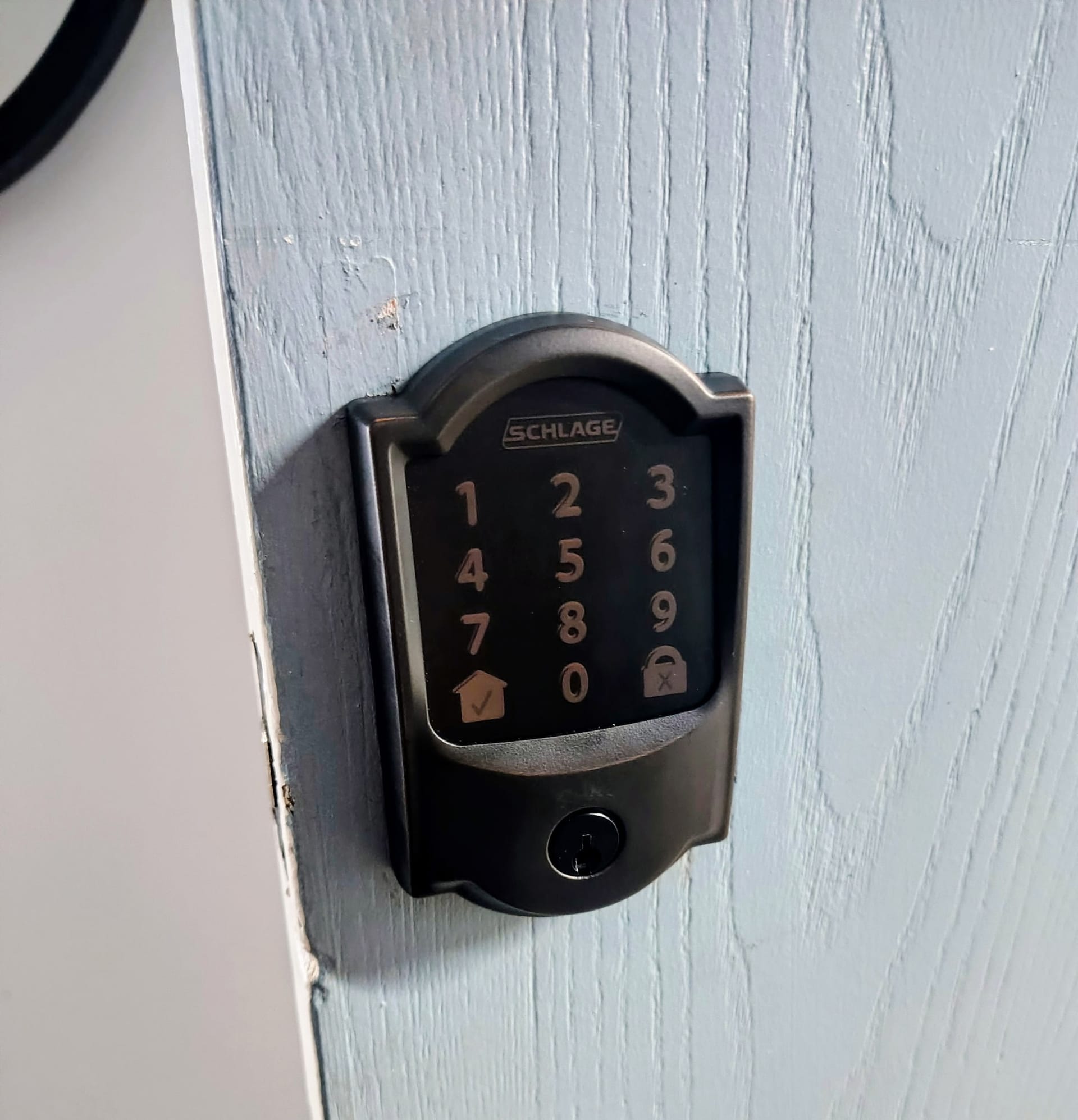
Smart locks introduce different maintenance requirements compared to traditional deadbolts. Battery-powered electronic locks need power management attention that mechanical locks never required.
Most smart locks alert you when batteries run low, but those warnings only help if you're paying attention to your phone notifications. Keep spare batteries on hand and replace them on a schedule rather than waiting for warnings. Cold weather drains batteries faster, so if you're using smart locks during Virginia winters, expect more frequent battery changes.
Electronic components also need protection from moisture. Check the weatherstripping around your door to prevent rain from reaching the lock mechanism. Smart locks installed on covered porches last longer than those exposed to direct weather.
The advantage of smart security hardware is the ability to grant temporary access without cutting physical keys. If you rent your property on platforms like Airbnb or manage a vacation home in Williamsburg, smart locks prevent the key-related wear that comes from constant rekeying.
Building a Lock Maintenance Schedule
Consistency prevents most lock failures. A simple twice-yearly routine catches problems before they become emergencies.
Schedule lock maintenance in March and September, when Virginia weather transitions between seasons. Test each lock by operating it slowly and feeling for resistance. Apply lubricant to cylinders and moving parts. Check mounting screws on handles and deadbolts. Verify that keys operate smoothly without force.
Document which locks show early warning signs. If a particular door consistently develops problems, that indicates an underlying issue like frame misalignment or exposure to weather that needs correction.
For rental properties or commercial locations where locks see heavier use, increase the inspection frequency to quarterly. High-traffic doors accumulate wear faster and justify more attention.